The short answer is yes, you can freeze homemade mousse. But whether you should freeze it depends entirely on what kind of mousse you made. The truth is, not all mousses handle the freezer the same way.
A mousse made with egg whites and whipped cream behaves differently than one stabilized with gelatin. I have frozen dozens of batches over the years, and I have learned the hard way which recipes survive the freezer and which turn into a grainy, weepy mess.
This guide shares exactly what I have tested in my own kitchen so you know what to expect before you open that freezer door.
What Really Happens When You Freeze Mousse?
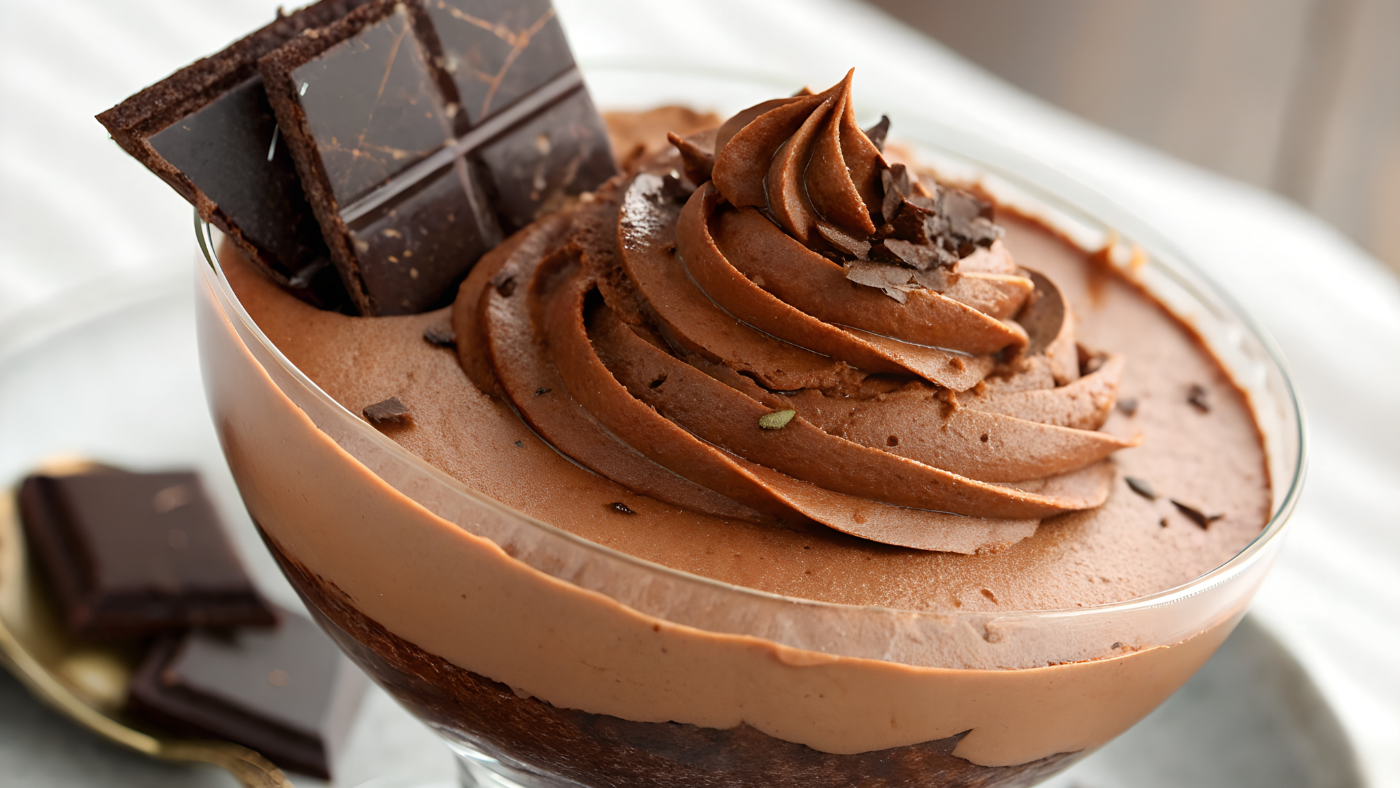
Mousse is essentially a foam. Tiny air bubbles trapped in a base of cream, egg whites, or both. When you freeze it, the water content turns into ice crystals. If freezing happens too slowly, large crystals form and rupture the delicate structure.
Read Also: Hyper Realistic Cake Recipes: Viral Cake Ideas for 2026
When you thaw it, that water has nowhere to go. The result? A grainy, separated texture that is nothing like the silky dessert you started with .
The stabilizer in your recipe determines how well your mousse survives freezing. Some ingredients protect the structure. Others fail completely .
Gelatin-Based Mousse Freezes Best
Mousse that contains gelatin is the safest bet for freezing. Gelatin creates a strong protein network that traps water molecules. This structure resists ice crystal damage better than anything else I have tested. When you thaw a gelatin-stabilized mousse, it comes back almost identical to fresh .
Egg White-Based Mousse Is Risky
Egg white mousses are more delicate. Cooked egg whites freeze better than raw ones. The proteins have already denatured and formed a more stable structure. But even then, you may notice the mousse becomes slightly chewier or loses some volume after thawing .
Cream-Only Mousse Often Fails
Simple whipped cream mousses without gelatin or cooked eggs usually separate in the freezer. The fat and water molecules split during the freeze-thaw cycle. The result is often grainy and watery .
How Different Ingredients Affect Freezer Results?
The ingredients in your recipe matter more than you might expect. Here is what I have observed:
| Ingredient | Effect on Freezing | Practical Tip |
|---|---|---|
| High-fat cream | Protects texture, smoother thawed mousse | Use cream with at least 35% fat |
| Dark chocolate | Holds flavor well in freezer | Offsets dullness after thawing |
| Egg whites | Provides lift but foam weakens | May collapse slightly |
| Gelatin | Creates stable protein network | Gold standard for freezing |
| Sugar | Lowers freezing point | Helps prevent large ice crystals |
| Fresh fruit | Can become watery after thawing | Best to add after thawing |
How to Freeze Mousse the Right Way?
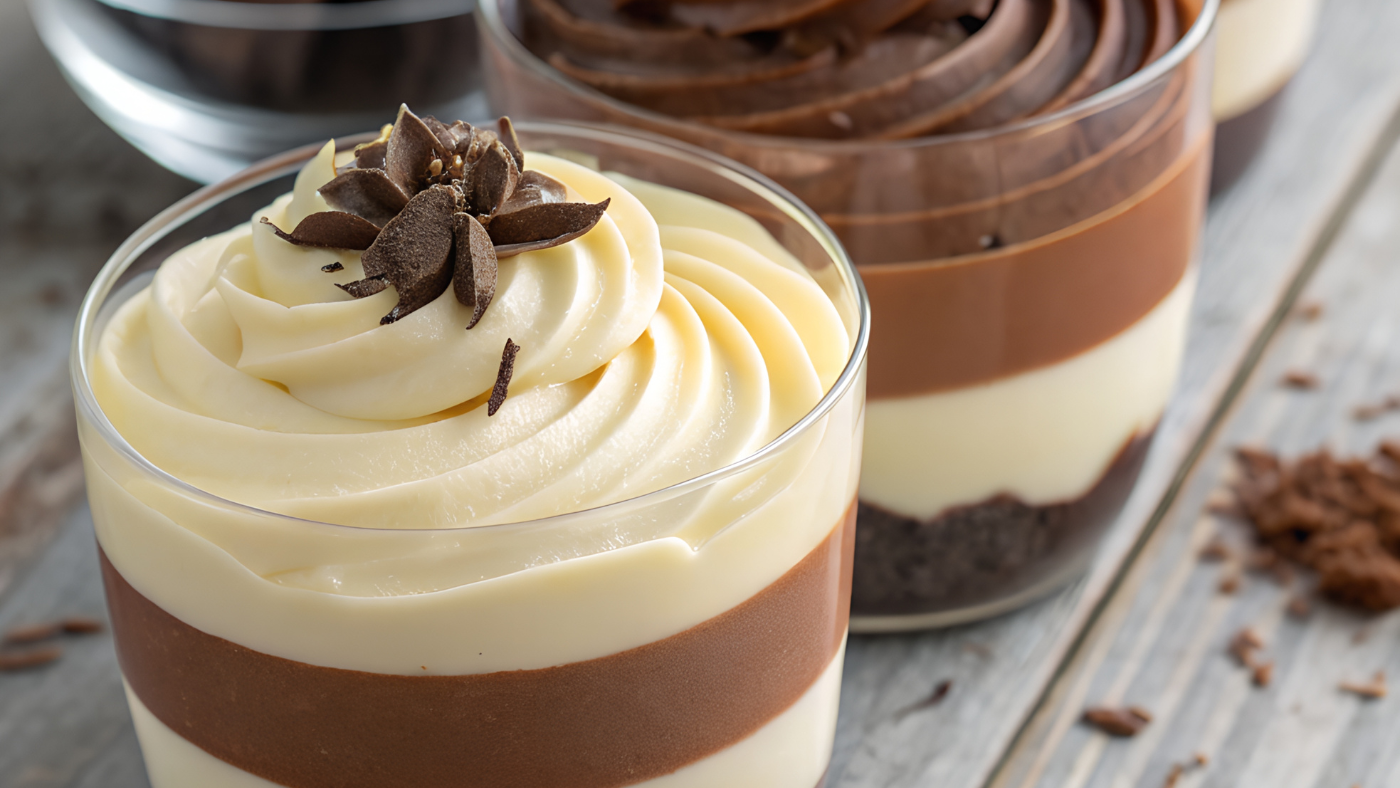
Freezing mousse is not complicated, but skipping steps will ruin the texture. I have tested these methods across multiple batches.
Step 1: Chill Before Freezing
Do not stick freshly made mousse directly into the freezer. Let it set completely in the refrigerator for at least 4 to 6 hours, or overnight. This solidifies the structure before the deep freeze and minimizes ice crystal damage .
Step 2: Choose the Right Container
Air is the enemy of frozen mousse. Use high-quality, freezer-safe airtight containers. Glass jars or sturdy plastic tubs with tight-fitting lids work best .
You Must Also Like: Aldi Mini Dessert Cups Review: Sweet, Simple, and Surprising
For the best results, freeze in individual portions. Small ramekins or jars freeze faster and more evenly. That means smaller ice crystals and better texture .
Before sealing the container, press a piece of plastic wrap directly onto the surface of the mousse. This prevents ice crystals from forming on top . Leave a little headspace because mousse expands slightly as it freezes .
Step 3: Freeze Quickly
Place the containers in the coldest part of your freezer, usually at the back, away from the door. Freezing quickly creates smaller ice crystals and preserves texture better than slow freezing .
How Long Can You Freeze Homemade Mousse?
Mousse will maintain good quality for different lengths of time depending on what it contains.
| Mousse Style | Best-Quality Freezer Time |
|---|---|
| Gelatin-based mousse | Up to 2 months |
| Cream-only chocolate mousse | Up to 2 months |
| Egg-and-cream chocolate mousse | 4 to 6 weeks |
| Mousse with fresh fruit | 3 to 4 weeks |
| Mousse in individual portions | Up to 2 months |
The mousse remains safe to eat beyond these timeframes if kept at a consistent 0°F (-18°C). However, quality and texture will decline .
Thawing Mousse Without Ruining It
Patience is the key to proper thawing. I have rushed this step more times than I want to admit, and the results were never good.
Best Method: Refrigerator Thaw
Transfer the frozen mousse from the freezer to the refrigerator. Allow it to thaw for at least 6 to 8 hours, or overnight. A single portion might take 4 to 6 hours, while a larger batch needs longer .
Avoid These Methods
Never thaw mousse at room temperature. The outside will melt too quickly and become watery while the inside stays frozen. This causes separation and is also a food safety risk .
Do not use a microwave. It will melt the mousse into a soupy, separated mess in seconds .
Can You Put Mousse in the Freezer to Set?
This is a common question. Mousse does not set like ice cream. Freezing is for storage, not for setting. Traditional mousse requires refrigeration to set properly.
If you need to speed up the setting process, the fridge is the right place. Freezing will firm it up, but thawing it later will not give you the same texture as a properly chilled mousse .
Can You Freeze Mousse to Make Ice Cream?
Freezing mousse does not turn it into ice cream. Ice cream has a specific fat-to-water ratio and is churned during freezing to incorporate air and prevent large ice crystals. Mousse has a different structure. Freezing it creates a dense, firm dessert, but it lacks the creamy, scoopable texture of ice cream .
Some people enjoy eating frozen mousse straight from the freezer as a cold treat. It is more like a frozen chocolate bar than ice cream. If that sounds appealing, go ahead and enjoy it straight from the freezer .
Fixing Grainy or Separated Mousse After Thawing
Even with careful freezing, your mousse might look a little sad after thawing. Here is how I salvage it:
-
Let it thaw completely in the fridge
-
Using a small whisk or fork, stir the mousse very gently
-
A few slow folds are often enough to smooth it out
Serve it immediately while still chilled. Top with fresh whipped cream or berries to help with presentation.
Common Mistakes to Avoid
I have made every mistake on this list at least once. Learn from my errors.
Freezing too slowly. If you place a large container in a warm freezer spot, ice crystals grow large and damage the texture. Freeze in small portions in the coldest part of your freezer .
Using poor containers. Airtight is non-negotiable. Loose lids or thin plastic bags let air in, causing freezer burn and off-flavors .
Thawing too quickly. Room temperature thawing causes the outside to melt into a watery mess before the inside is ready. Always use the fridge .
Refreezing thawed mousse. Do not refreeze mousse that has been fully thawed. Each freeze-thaw cycle causes more damage to the structure. The texture will be poor, and if the mousse contains eggs or dairy, it can become a food safety concern .
Expert Tips from Professional Chocolatiers
Victoria Johnson, head chocolatier at Temper Chocolates, recommends storing mousse in an airtight container or covering it tightly with plastic wrap.
She advises consuming it within two days for the best taste and texture in the fridge. For longer storage, freezing is your best option, but ensure no air or moisture enters the container .
How to Tell If Frozen Mousse Has Gone Bad?
Texture changes are the first sign of problems. Your perfectly light dessert may become lumpy or soggy. It may also smell sour or generally unappealing. Trust your senses. If the mousse looks or smells off, discard it .
Frequently Asked Questions
Can you freeze chocolate mousse?
Yes, chocolate mousse can be frozen for up to two months when packed in airtight containers. The texture becomes slightly denser after thawing, but high-fat recipes freeze better than lighter versions .
How long can you freeze homemade mousse?
Mousse maintains good quality for one to two months in the freezer. Gelatin-based mousses last closer to two months, while cream-only versions may start deteriorating after four to six weeks .
Can you freeze lemon mousse?
Lemon mousse can be frozen for up to two months in an airtight container. Thaw it in the fridge before serving .
Can you put mousse in the freezer to set?
No. Mousse requires refrigeration to set properly. Freezing is for storage, not for setting the dessert .
Can you freeze mousse cake?
Mousse cake can be frozen, but the crust may become soft or mushy when thawed. Gelatin-based mousse layers freeze better than egg-white versions .
Can you freeze strawberry mousse?
Strawberry mousse freezes well if it contains gelatin. Gelatin creates a stable structure that resists ice crystal damage. Cream-only strawberry mousses often separate and become grainy .
The Final Thoughts
You can freeze homemade mousse, but choose your recipe carefully. Gelatin-stabilized mousses freeze beautifully and thaw almost like fresh. Egg-white mousses are riskier, and cream-only versions often fail.
Freeze in individual airtight portions, chill before freezing, and always thaw in the refrigerator. Avoid refreezing and never rush the thawing process. With these steps, you can enjoy your homemade mousse weeks after you made it.
.